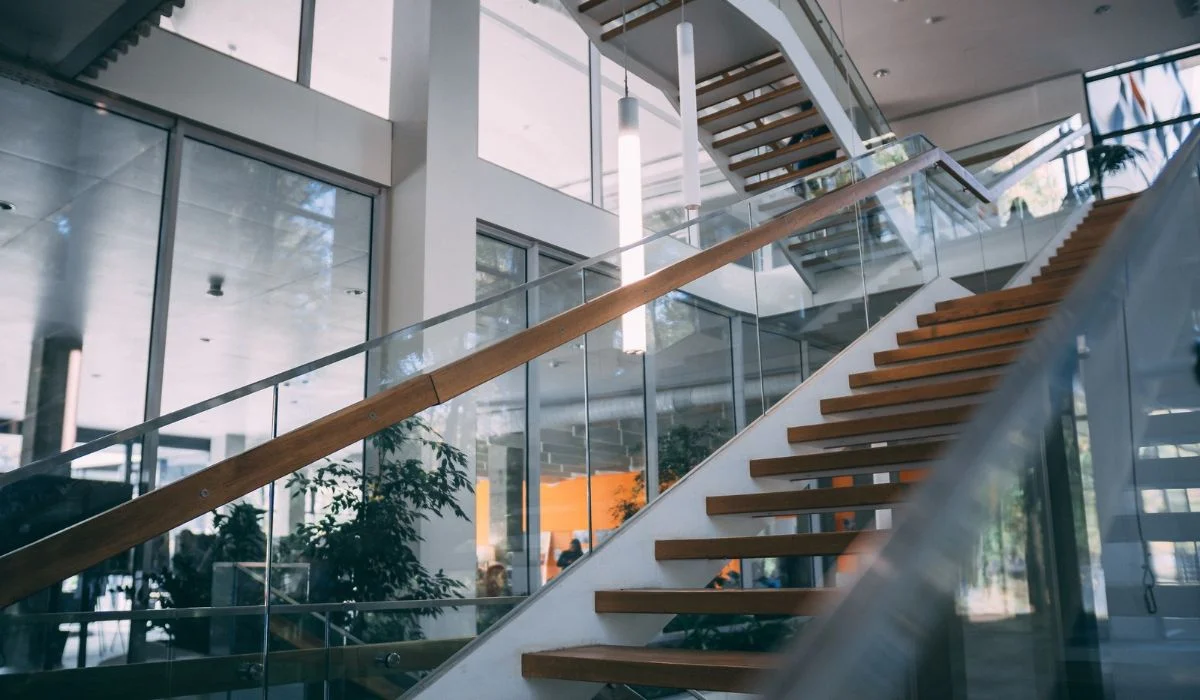
A staircase is more than a way to move between floors. In a modern home, it can become one of the strongest architectural features in the space. The right combination of treads, structure, handrail and guardrail can make an entryway feel larger, add warmth to a minimalist interior, or create a bold focal point.
Modern rail of the stairs are especially flexible because they can combine materials such as wood, glass, steel, cable and metal panels. The best design is not simply the most eye-catching option; it should also suit the architecture, available space, daily use and safety requirements of the home.
What Makes a Staircase Look Modern?
Modern staircase design usually relies on clean lines, simple forms and carefully selected materials rather than heavy ornamentation. Floating or open-riser stairs, slim metal railings, frameless glass and streamlined wooden handrails can all create a lighter visual appearance.
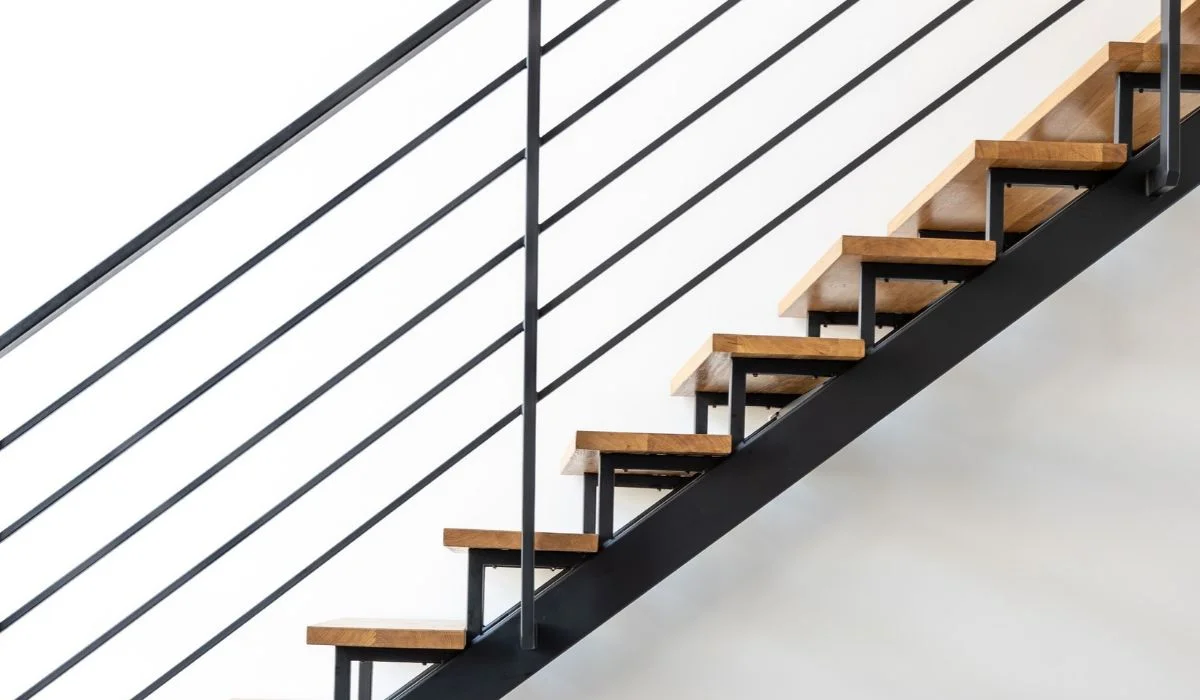
However, modern does not always mean completely minimal. A staircase can also look contemporary through contrast. For example, warm wood treads can be paired with black metal, while clear glass can soften a heavier steel structure. The key is to keep the materials visually coordinated instead of allowing every element to compete for attention.
Proportion is equally important. A thick wooden handrail may look appropriate in a large open staircase but feel too heavy in a narrow hallway. Similarly, an extremely thin railing may disappear visually where a stronger architectural feature is needed.
Modern Staircases and Railings: Popular Design Ideas
There is no single modern staircase style. The best option depends on the shape of the stairs, surrounding architecture and amount of natural light.
Floating Staircases
Floating stairs create the impression that the treads are suspended in the air. They work particularly well in contemporary interiors where an open, lightweight appearance is desired.
Wooden treads can add warmth, while glass or slim metal railings preserve the sense of openness. Because the supporting structure is less visually obvious, installation and structural planning should be handled carefully.
Glass Railings
Glass railings are useful when you want to maintain clear sightlines between floors. They can make a staircase feel more open and allow natural light to move through the area instead of creating a visual barrier.
Clear glass works well with wood, stone, concrete and metal. A simple handrail can add warmth, while a minimal metal frame can create a sharper contemporary appearance. Always select a suitable safety-rated glazing system and follow local requirements for stair and guardrail installations.
Cable Railings
Cable railings use thin horizontal cables stretched between posts. Their simple appearance works well with modern, industrial and coastal interiors.
They are especially useful when you want some visual separation without making the staircase feel enclosed. Stainless steel cables can be paired with wooden posts and handrails for a warmer appearance or with black metal for a more industrial look.
Slim Metal Railings
Simple metal balusters or narrow steel profiles can give a staircase a clean architectural appearance. Black, white, stainless or other custom finishes can be selected to coordinate with doors, lighting fixtures, furniture or architectural details.
Metal is also useful when durability and a relatively lightweight visual profile are priorities. The design should be kept proportional to the staircase rather than adding unnecessary decorative elements.
Wood Handrails and Balusters
Wood remains valuable in modern staircase design because it adds texture and warmth to otherwise hard materials. A natural oak handrail, for example, can soften a glass or metal railing.
For a more contemporary appearance, choose a simple profile and let the grain or finish provide the visual interest. Matching the wood tone with flooring, doors or nearby furniture can help connect the staircase to the rest of the home.
Best Materials for Modern Stair Railings
Choosing a railing material involves more than appearance. Consider durability, cleaning, maintenance, installation requirements and how the material will interact with the staircase.
| Material | Visual Character | Best For | Main Consideration |
| Glass | Open and elegant | Bright, contemporary interiors | Requires regular cleaning |
| Wood | Warm and natural | Transitional and modern homes | Needs suitable finishing |
| Steel | Clean and architectural | Minimalist and industrial spaces | Finish affects maintenance |
| Cable | Light and understated | Open-plan interiors | Requires proper tension and installation |
| Metal panels | Bold and graphic | Statement staircases | Can feel heavier visually |
Mixed materials can often provide a better result than using one material throughout. For example, wood can provide warmth while glass keeps the staircase visually open. Steel can define the structure while a timber handrail makes the design feel more inviting.
How to Choose the Right Railing for Your Staircase
Start with the staircase itself rather than choosing a railing in isolation. Look at its shape, width, surrounding walls, ceiling height and visibility from nearby rooms.
A straight staircase may suit a simple linear railing, while a switchback or curved staircase may require a more continuous handrail treatment. For open-plan homes, a visually light railing can help the staircase connect naturally with the surrounding living area.
Match the Railing to the Home’s Style
The railing should feel like part of the overall interior rather than an unrelated feature. Black metal can reinforce modern industrial interiors, while natural wood works well with warm minimalist spaces.
For a softer contemporary look, combine neutral finishes with natural materials. If the staircase is already visually dramatic, keep the railing simple so the design does not become overwhelming.
Consider Maintenance
Think about how much cleaning and upkeep you are comfortable with. Glass can show fingerprints and dust more easily, while wood may require periodic attention to its finish. Metal is generally easy to wipe down, but the specific coating or finish can affect long-term care.
A beautiful railing that is difficult to maintain may become frustrating over time. Choose materials that suit the home’s traffic level and your cleaning routine.
Modern Staircase Ideas for Small Spaces
Small staircases benefit from designs that maintain visual openness. A bulky railing or heavily decorated balustrade can make a narrow area feel even tighter.
Glass panels, slim metal profiles and carefully designed cable systems can reduce visual clutter. Light-colored walls and simple stair finishes can further enhance the feeling of space.
Another useful approach is to make the staircase perform more than one function. Depending on the layout, the space underneath can accommodate storage, shelving, a workspace or decorative elements. Built-in solutions should still leave the stairway comfortable and safe to use.
How to Combine Wood, Glass and Metal
Mixed-material staircases can create depth without requiring complicated decoration. The easiest approach is to select one primary material and use the others as supporting elements.
For example, substantial wood treads can become the main visual feature, while a slim metal railing provides structure and glass maintains openness. Another option is a dark metal frame with warm wood handrails, creating contrast while keeping the palette controlled.
Avoid using too many finishes simply because each looks attractive individually. A staircase with several competing colors, metals and patterns can quickly become visually busy. Repeating one material or finish elsewhere in the room helps create cohesion.
Lighting and Finishing Details
Lighting can dramatically change the appearance of a modern staircase. Recessed wall lights, discreet step lighting or concealed LED strips can highlight the shape of the stairs without adding visual clutter.
Natural light should also influence your material selection. In a dark stairwell, lighter finishes and visually open railings can help the area feel brighter. In a bright space, darker metal or richer wood can provide contrast.
Pay attention to small details such as handrail transitions, brackets, posts, fasteners and the connection between the railing and floor. These elements may seem minor, but poorly coordinated hardware can make an otherwise sophisticated staircase look unfinished.
Safety Considerations for Modern Staircases
A modern appearance should never come at the expense of safety. Railings, guards and handrails need to be designed and installed according to the building requirements that apply to your location.
Pay attention to appropriate railing height, spacing, structural attachment, handrail continuity and the strength of the supporting components. Open-riser and floating staircases may require additional structural planning because their appearance depends on concealed or specialized support systems.
Families with young children should also consider whether the railing design creates climbable elements or openings that could present additional risks. Consult a qualified contractor, architect or structural professional when the staircase involves major structural changes.
Common Mistakes to Avoid
Avoiding a few common mistakes can help you create a staircase that looks modern, functions well, and remains practical over time.
Choosing the Railing Before the Staircase
Always consider the complete staircase layout before selecting a railing. A design that looks attractive in photos may feel too heavy, too delicate, or disconnected from your actual space.
Focusing Only on the Material
Glass, wood, metal, and cable can all look excellent, but the material alone does not determine the final result. Proportions, installation quality, spacing, and hardware also play an important role.
Ignoring Proper Measurements
Incorrect measurements can lead to awkward railing heights, uneven spacing, or poor-fitting components. Measure the staircase carefully and account for landings, turns, walls, and handrail transitions.
Overlooking Maintenance
Different materials require different levels of care. Glass can show fingerprints, wood may need finish maintenance, and metal can require regular cleaning to maintain its appearance.
Using Too Many Materials
Combining materials can create an attractive modern look, but too many finishes can make the staircase feel busy. Choose one main material and use complementary materials for contrast.
Ignoring Lighting
A poorly lit staircase can lose much of its visual appeal and may also become less practical at night. Consider natural light, wall lighting, recessed fixtures, or subtle step lighting during the planning stage.
Neglecting Safety
A modern design should still provide secure handrails, proper spacing, strong connections, and suitable protection. Always follow applicable local building requirements and use qualified professionals when structural work is involved.
Expert Tips for Better Staircase Design
Think about the staircase from different viewpoints before finalizing the design. Check how it looks from the entrance, living room, upper landing and nearby hallways. A railing that looks excellent from one angle may appear too dominant from another.
Use repetition to create a connected interior. If your staircase uses black metal, consider repeating a similar finish in lighting, door hardware or furniture. If you choose natural wood, connect it with flooring, cabinetry or other wood details.
Most importantly, design for the people who will use the staircase every day. Comfort, grip, visibility and safe movement matter just as much as appearance. A successful modern staircase should feel effortless rather than simply look impressive.
Future Trends in Modern Staircases and Railings
Modern staircase design is moving toward cleaner structures, mixed materials and greater integration with the architecture around the stairs. Glass, slim metal profiles, wood accents and customized metal infills allow homeowners to create highly individual designs without relying on excessive decoration.
Integrated lighting is another useful direction, particularly where LEDs can be concealed within handrails, walls or stair components. More homeowners are also treating the staircase as part of the home’s overall material palette instead of designing it as a separate feature.
Customization will continue to be important. Straight, curved and switchback layouts can be adapted with different railing systems, finishes and mounting approaches to suit both new construction and renovation projects.
Conclusion
Modern staircases and railings can completely change the character of an interior when their materials, proportions and details are carefully coordinated. Glass can preserve openness, wood can introduce warmth, metal can create definition, and cable systems can provide a lightweight contemporary appearance.
The best design balances style with everyday function. Consider the staircase layout, available space, maintenance, lighting and safety requirements before choosing materials. With thoughtful planning, even a simple staircase can become a strong architectural feature that feels modern, practical and connected to the rest of the home.
FAQs
What is the most popular material for modern stair railings?
Glass, metal, wood and cable systems are all widely used. The right choice depends on your home’s style, maintenance needs and staircase layout.
Are glass stair railings a good choice?
Yes. Glass can keep a staircase visually open and allow more light through the space, but it requires suitable safety-rated materials and proper installation.
Are cable railings suitable for indoor stairs?
Cable railings can work well indoors when correctly designed and installed. They offer a clean appearance while maintaining visual openness.
What railing works best for a small staircase?
Glass or slim metal railings can help a small staircase feel less enclosed. A simple design usually works better than a bulky decorative system.
Can wood and metal be used together?
Yes. Wood adds warmth while metal provides a clean architectural contrast, making the combination suitable for many modern interiors.
Are floating staircases safe?
They can be safe when properly engineered and installed. Because their support may be concealed, structural planning is particularly important.