Hokkaido Food: A Complete Guide to Japan’s Famous Cuisine
Hokkaido food is one of the biggest reasons travelers explore Japan’s northernmost main island. Known for fresh seafood, high-quality dairy products, flavorful vegetables, meat dishes, noodles, and regional specialties, Hokkaido cuisine offers an impressive variety of flavors. From a steaming bowl of ramen in Sapporo to fresh seafood in Hakodate, the food experience changes as you travel across the island.
Hokkaido’s food culture is strongly influenced by its geography and climate. The island has extensive farmland, productive fishing grounds, cold winters, and large dairy-producing areas. These conditions provide ingredients that have become closely associated with local cuisine. If you are wondering what is Hokkaido food, the simplest answer is that it is a diverse combination of seafood, agricultural products, dairy, meat, noodles, and sweets shaped by the region’s environment.
What Makes Hokkaido Food Special?
Hokkaido stands out for its wide variety of locally produced ingredients. The island is famous for fresh seafood as well as potatoes, corn, wheat, vegetables, milk, butter, and cheese. These ingredients give Hokkaido food its distinctive regional character.
The island’s cold climate and changing seasons also influence its food culture. Farming and fishing vary throughout the year, making seasonal ingredients an important part of the local dining experience.
Fresh Seafood and Local Produce
Hokkaido is known for seafood such as crab, sea urchin, salmon, scallops, squid, and shrimp. At the same time, its farms produce potatoes, corn, wheat, onions, dairy products, and fresh vegetables, creating a diverse food culture.
Dairy and Agricultural Heritage
Hokkaido has a strong dairy industry, producing milk, butter, cheese, ice cream, and other popular treats. Its large agricultural areas also supply high-quality ingredients used in many local dishes and desserts.
What Is Hokkaido Known For?
If you are wondering what is Hokkaido known for, its food culture includes seafood, ramen, dairy products, lamb, potatoes, corn, sweets, and other regional specialties. Each major city also has its own food traditions.
Sapporo is famous for ramen and soup curry, Hakodate for fresh seafood, and Otaru for sushi. Exploring these regional specialties makes a food-focused trip more enjoyable.
Seafood
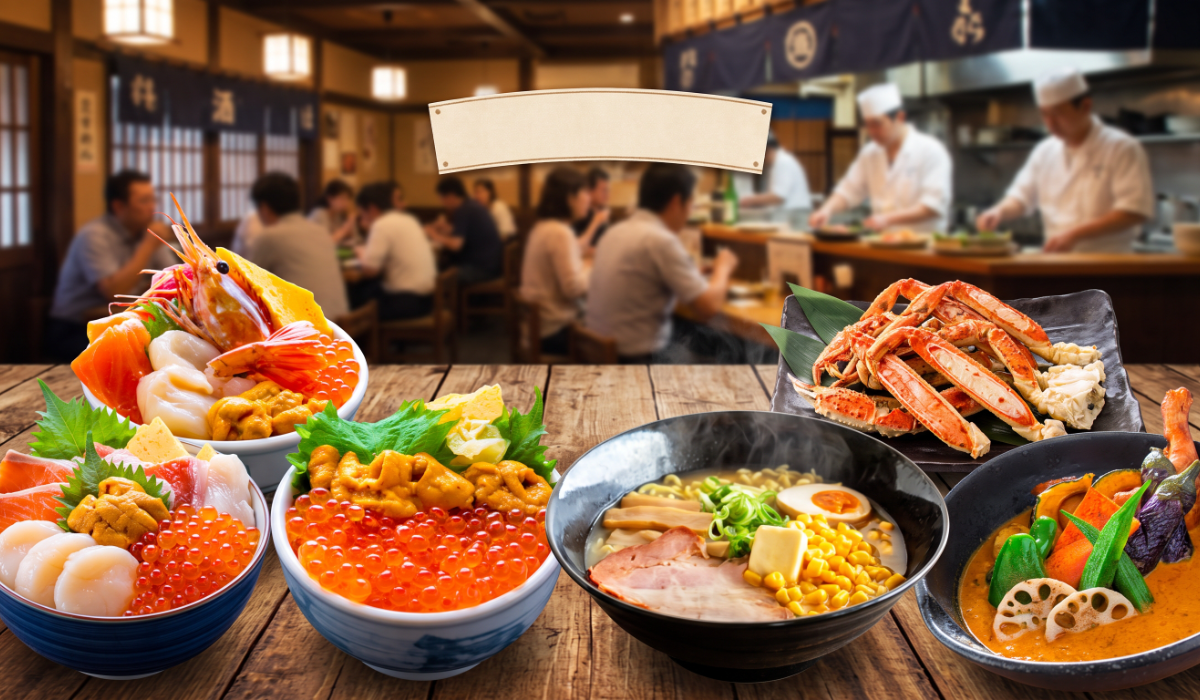
Hokkaido is well known for fresh seafood, including crab, salmon, scallops, squid, shrimp, sea urchin, and salmon roe. These ingredients are commonly served as sushi, sashimi, grilled dishes, rice bowls, and soups.
Ramen
Sapporo ramen is especially famous for its rich miso-based broth, often served with vegetables, meat, butter, or corn. Asahikawa and Hakodate also have their own ramen styles, showing the variety of Hokkaido cuisine.
Dairy Products
Hokkaido’s dairy industry produces popular milk, butter, cheese, ice cream, and other desserts. Trying these local dairy specialties is an easy way to experience the island’s agricultural heritage.
Hokkaido Food by Region
Hokkaido is a large island, so its food culture varies by region. Major cities have their own specialties, while rural areas often focus on fresh produce, dairy, and local ingredients.
Sapporo
Sapporo is famous for miso ramen and soup curry. The city also offers plenty of seafood, sushi, grilled meat, and Hokkaido desserts.
Hakodate
Hakodate is a great choice for seafood lovers. Seafood bowls, sushi, squid, crab, and other fresh marine products are popular, especially around local markets.
Otaru
Otaru is well known for sushi and fresh seafood. Visitors can also enjoy local sweets and other food specialties while exploring the city’s historic streets.
Furano and Biei
Furano and Biei highlight Hokkaido’s agricultural side. Fresh vegetables, corn, dairy products, and other farm-based foods are common, especially during warmer months.
Eastern Hokkaido
Eastern Hokkaido offers its own selection of seafood, dairy products, and regional dishes. Exploring local restaurants can reveal specialties that are less common in major tourist areas.
Seasonal Hokkaido Cuisine
Seasonality plays an important role in Hokkaido cuisine. Different times of year bring different ingredients and dining experiences, so checking local markets and menus can help you discover what’s freshest.
Spring and Summer
Warmer months are ideal for fresh vegetables, corn, fruit, dairy products, and seasonal seafood. Farm visits and outdoor food experiences are also popular during this period.
Autumn
Autumn brings fresh harvests of potatoes, vegetables, grains, and other crops. Cooler temperatures also make ramen, curry, and grilled dishes especially enjoyable.
Winter
Winter is perfect for warming dishes such as ramen, hot pots, and grilled foods. Depending on the season and location, visitors can also enjoy excellent crab and other seafood specialties.
Choosing Hokkaido Food for Different Travelers
The best Hokkaido food experience depends on your interests, budget, and travel plans. Choosing a few food categories before your trip can make exploring local specialties easier.
For First-Time Visitors
Start with popular choices such as Sapporo ramen, soup curry, seafood bowls, and dairy desserts. Trying both seafood and agricultural products gives you a good introduction to Hokkaido cuisine.
For Seafood Lovers
Coastal areas and local markets are ideal for seafood lovers. Look for sushi, sashimi, seafood bowls, crab, scallops, and salmon, while keeping seasonal availability in mind.
For Dessert Lovers
Hokkaido is famous for dairy-based sweets, including ice cream, cheese, chocolate, and pastries. Local confectionery shops and farm products are worth exploring.
For Budget Travelers
Affordable options include ramen shops, curry restaurants, bakeries, food halls, and convenience stores. You can also enjoy one premium meal while keeping your other meals budget-friendly.
Expert Insights for Exploring Hokkaido Food
The best way to experience Hokkaido food is to focus on local ingredients, seasonal specialties, and regional dishes rather than simply following a list of famous foods. Hokkaido’s cuisine reflects its farms, fishing communities, climate, and diverse regions.
Keep your itinerary flexible and explore local markets, small restaurants, bakeries, and farm shops. Asking locals for recommendations can also help you discover specialties that may not appear in common travel guides.
Focus on Seasonal Ingredients
Seasonal availability can greatly influence Hokkaido cuisine. Seafood, vegetables, fruits, and dairy products can vary throughout the year, so checking local menus and markets is a good way to find fresh ingredients.
Rather than planning every meal in advance, choose a few must-try dishes and leave room for seasonal recommendations.
Explore Beyond Famous Foods
Ramen, sushi, and crab are popular choices, but Hokkaido’s food culture includes much more. Try local meats, soups, bakery items, snacks, farm products, and regional desserts to experience a wider range of flavors.
Small local restaurants can also offer everyday dishes that show how Hokkaido ingredients are enjoyed by residents.
Benefits of Exploring Hokkaido Cuisine
Exploring local cuisine helps travelers understand the connection between Hokkaido’s natural environment, agriculture, fishing, and communities. Food can become an important part of the travel experience rather than simply another activity.
Visiting markets, farms, bakeries, and local restaurants can also encourage travelers to explore areas beyond the main tourist attractions.
Experience Local Culture
Regional food provides insight into local traditions and everyday life. Enjoying seafood in a coastal city or dairy products in an agricultural area can create a stronger connection between the food and its place of origin.
Discover Regional Diversity
Hokkaido’s different cities and communities offer unique food experiences. You might enjoy ramen in Sapporo, seafood in Hakodate, sushi in Otaru, and farm products around Furano and Biei.
Exploring these differences gives you a broader understanding of Hokkaido’s diverse culinary identity.
Common Mistakes When Trying Hokkaido Food
Travelers can make simple mistakes when exploring a new food culture. One common mistake is assuming that every famous dish is available everywhere or throughout the year.
It is also unnecessary to focus only on expensive restaurants. Local markets, ramen shops, bakeries, food halls, and small restaurants can offer excellent Hokkaido food experiences.
Ignoring Seasonality
Some ingredients are seasonal, so a dish may not be available or may vary depending on your travel dates. Check local menus and markets to discover what is freshest during your visit.
Staying Only in Tourist Areas
Popular tourist areas have plenty of good restaurants, but exploring local neighborhoods can introduce you to smaller establishments and less familiar regional dishes.
Choosing Food Only by Appearance
A beautiful dish may not always represent the local food culture. Learn about its ingredients and preparation to make your dining experience more meaningful.
Future Trends in Hokkaido Food
Hokkaido cuisine is likely to continue combining traditional ingredients with modern cooking styles. Seafood, dairy, vegetables, and other local products will remain important while chefs experiment with new presentations and techniques.
Sustainability is also becoming more important, with greater interest in local sourcing, seasonal menus, responsible seafood, and reducing food waste.
Modern Takes on Local Ingredients
Chefs are finding creative ways to use traditional Hokkaido ingredients in contemporary dishes. This allows visitors to enjoy familiar local flavors in new and interesting forms.
Greater Interest in Local and Sustainable Food
Travelers increasingly want to know where their food comes from. Farm-to-table restaurants, seasonal menus, and locally sourced products can help connect visitors with Hokkaido’s farmers, fishermen, and food producers.
Conclusion
Hokkaido food offers far more than a collection of famous Japanese dishes. Its culinary identity is shaped by fresh seafood, fertile farmland, dairy production, seasonal ingredients, regional traditions, and the island’s distinctive environment. From ramen and soup curry to crab, sushi, lamb, vegetables, and dairy desserts, there is something for almost every type of traveler.
If you are wondering what is Hokkaido known for, food is certainly one of its strongest attractions. The best approach is to combine famous specialties with regional and seasonal discoveries. Try local dishes in the cities where they are especially popular, explore markets and smaller restaurants, and remain open to foods that may not appear on every tourist list.
Ultimately, Hokkaido cuisine is best experienced as part of the journey. Whether you are a seafood enthusiast, dessert lover, budget traveler, or first-time visitor to Japan, exploring local food can help you understand the culture and character of Hokkaido in a much more personal way.
FAQs
1. What food is Hokkaido famous for?
Hokkaido is famous for seafood, ramen, soup curry, Jingisukan grilled lamb, dairy products, potatoes, corn, and regional sweets.
2. What is Hokkaido known for besides seafood?
Besides seafood, Hokkaido is known for dairy products, agriculture, ramen, soup curry, lamb, potatoes, corn, vegetables, and desserts.
3. What is Hokkaido food?
Hokkaido food refers to the regional dishes and ingredients associated with Japan’s northern island. It includes seafood, agricultural products, dairy, meat, noodles, and sweets.
4. What is the most popular Hokkaido cuisine?
There is no single dish that represents all of Hokkaido, but Sapporo ramen, soup curry, seafood, and Jingisukan are among its most recognizable specialties.
5. Is Hokkaido good for seafood?
Yes. Hokkaido is widely known for its seafood, including crab, salmon, scallops, squid, shrimp, sea urchin, and salmon roe.
6. What should I eat in Sapporo?
Visitors can consider Sapporo-style miso ramen, soup curry, Jingisukan, seafood, and Hokkaido dairy desserts.
7. What Hokkaido food is good for dessert lovers?
Dairy-based desserts such as soft-serve ice cream, milk sweets, cheese desserts, and pastries are popular choices.