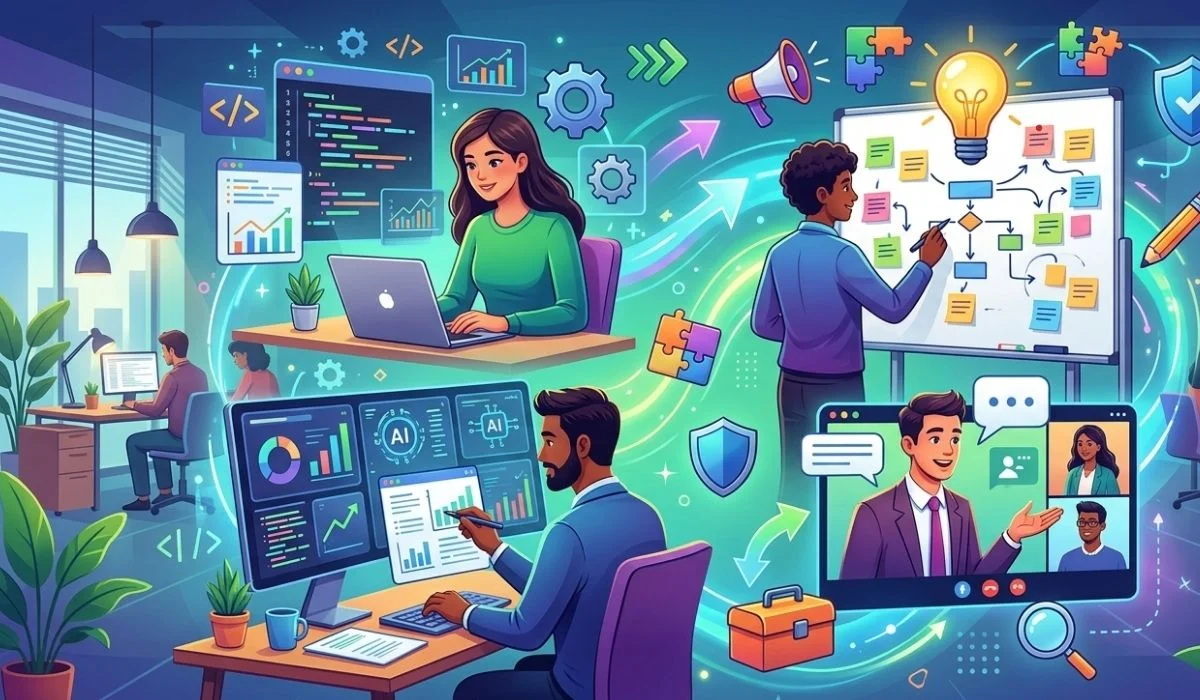
In today’s competitive world, having the right list of skills is just as important as having formal education or work experience. Employers no longer look only at academic qualifications they also value candidates who can communicate effectively, solve problems, adapt to change, and use technical knowledge in real-world situations. Whether you’re a student, job seeker, or experienced professional, continuously improving your skills can open new career opportunities and help you stay competitive in a rapidly changing job market.
Understanding what is a skill, the different types of skills, and how they apply in various industries can help you make better career decisions. From technical expertise and leadership abilities to communication and teamwork, every skill contributes to personal and professional growth. This guide explores the most important skills employers look for, explains how to develop them, and provides practical examples to help you build a successful career.
What Is a Skill?
A skill is the ability to perform a task effectively through learning, practice, or experience. While knowledge helps you understand a concept, skills allow you to apply that knowledge in real-life situations. For example, understanding grammar is knowledge, but writing a professional report is a skill developed through practice.
Skills are developed over time through education, training, work experience, and continuous learning. Some skills are technical and specific to a profession, while others, such as communication and teamwork, are valuable across almost every industry. Employers often evaluate both technical expertise and interpersonal abilities when hiring new employees because successful professionals usually possess a combination of both.
Why Skills Matter in Today’s Workplace
Modern workplaces are evolving rapidly due to technological advancements, automation, and changing business needs. As a result, employers seek individuals who can learn quickly, solve problems creatively, and adapt to new challenges. Developing relevant skills not only improves job performance but also increases employability and career growth opportunities.
Strong skills also help individuals build confidence, improve productivity, and communicate more effectively with colleagues and clients. Whether you are entering the workforce for the first time or planning a career change, investing in skill development can significantly improve your long-term success.
Types of Skills
Skills can be grouped into several categories based on how they are learned and applied. Understanding these categories helps individuals identify their strengths and recognize areas for improvement.
Technical Skills
Technical skills are job-specific abilities acquired through education, certifications, or hands-on experience. These skills are often measurable and directly related to a profession.
Examples include:
- Programming
- Graphic design
- Data analysis
- Accounting
- Digital marketing
- Engineering
- Cybersecurity
Technical skills are especially important in specialized industries where employees must perform specific tasks accurately and efficiently.
Soft Skills
Soft skills refer to personal qualities that influence how people interact and work with others. Unlike technical skills, they are transferable across different industries and roles.
Common soft skills include:
- Communication
- Teamwork
- Leadership
- Time management
- Problem-solving
- Emotional intelligence
- Adaptability
These skills help professionals build strong relationships, manage workplace challenges, and contribute effectively to team success.
Transferable Skills
Transferable skills are abilities that can be applied across multiple careers and industries. They remain valuable even when changing jobs or professions.
Examples include:
- Organization
- Critical thinking
- Decision-making
- Customer service
- Research
- Project management
Because these skills are widely applicable, employers often consider them essential for long-term career development.
Soft Skills vs Hard Skills
One of the most common discussions in career development is the difference between soft skills and hard skills. Both are essential, but they serve different purposes.
| Soft Skills | Hard Skills |
| Communication | Programming |
| Leadership | Accounting |
| Teamwork | Graphic Design |
| Adaptability | Data Analysis |
| Time Management | Web Development |
Hard skills demonstrate your technical ability to perform specific tasks, while soft skills determine how effectively you work with others. The most successful professionals combine both to achieve outstanding results.
List of Skills for Resume
A well-written resume should highlight skills that match the requirements of the job. Instead of listing every ability you possess, focus on skills that are relevant to the position you are applying for.
Some of the most valuable resume skills include:
Communication Skills
Strong verbal and written communication helps professionals share ideas clearly, collaborate with teams, and build positive relationships with clients and colleagues.
Leadership Skills
Leadership involves motivating others, making informed decisions, and guiding teams toward achieving common goals. Even entry-level employees can demonstrate leadership by taking initiative and solving problems.
Problem-Solving Skills
Employers value candidates who can analyze challenges, identify practical solutions, and make sound decisions under pressure.
Time Management
Managing priorities, meeting deadlines, and staying organized are essential qualities in nearly every profession. Good time management increases productivity and reduces workplace stress.
Computer Skills
Digital literacy has become a basic requirement across many industries. Familiarity with office software, cloud platforms, communication tools, and industry-specific applications enhances employability.
Skills Examples Across Different Careers
Different professions require different combinations of technical and interpersonal skills.
Marketing Professional
- SEO
- Content writing
- Social media management
- Creativity
- Communication
Software Developer
- Programming
- Database management
- Problem-solving
- Team collaboration
- Analytical thinking
Teacher
- Classroom management
- Communication
- Patience
- Lesson planning
- Leadership
Healthcare Professional
- Patient care
- Medical knowledge
- Empathy
- Decision-making
- Attention to detail
These examples show that while technical abilities vary by profession, soft skills remain valuable across every industry.
High-Income Skills That Are in Demand
As industries continue to evolve, employers are placing greater value on professionals who possess specialized, high-income skills. These skills not only increase employability but also create opportunities for higher salaries, career advancement, and freelance or entrepreneurial success. While many technical skills can be learned through formal education, others can be developed through online courses, certifications, and practical experience.
Some of the most in-demand high-income skills include:
Artificial Intelligence (AI) and Machine Learning
AI is transforming industries such as healthcare, finance, education, and marketing. Professionals with expertise in AI, machine learning, and automation are increasingly sought after by organizations worldwide.
Data Analysis and Data Science
Businesses rely on data to make informed decisions. Data analysts and data scientists help organizations interpret complex information, identify trends, and improve business performance.
Digital Marketing
Digital marketing combines creativity with analytical thinking. Skills such as SEO, content marketing, email marketing, social media management, and paid advertising continue to be highly valuable across industries.
Software Development
Software developers build websites, mobile applications, and business solutions that power today’s digital economy. Programming languages like Python, JavaScript, and Java remain among the most valuable technical skills.
Cybersecurity
As cyber threats continue to grow, companies are investing heavily in cybersecurity professionals who can protect sensitive information and maintain secure digital systems.
Cloud Computing
Cloud platforms such as AWS, Microsoft Azure, and Google Cloud have become essential for modern businesses. Professionals with cloud computing expertise are in high demand across various industries.
WorldSkills and Professional Development
WorldSkills is an international organization that promotes excellence in vocational and technical education by encouraging young professionals to develop practical skills. Through global competitions and training programs, participants demonstrate their abilities in fields such as engineering, information technology, hospitality, construction, manufacturing, healthcare, and many other professions.
Beyond competitions, WorldSkills highlights the importance of continuous learning and professional development. It encourages individuals to improve their technical knowledge, strengthen workplace competencies, and adapt to changing industry standards. For students and professionals alike, it serves as a reminder that developing practical skills is essential for long-term career success in an increasingly competitive global workforce.
Benefits of Developing Skills
Investing time in developing new skills benefits both personal and professional growth. Individuals who continuously improve their abilities are often more confident, productive, and better prepared to handle workplace challenges.
Better Career Opportunities
Employers prefer candidates who possess a combination of technical expertise and strong interpersonal abilities. Expanding your skill set can qualify you for promotions, leadership roles, and new career opportunities.
Increased Confidence
Learning new skills boosts self-confidence by helping individuals perform tasks more effectively. Confidence also improves communication, decision-making, and overall workplace performance.
Higher Earning Potential
Professionals with specialized or high-demand skills often earn higher salaries because they bring greater value to employers. Continuous learning can significantly improve long-term earning potential.
Improved Problem-Solving
Developing analytical and critical thinking skills enables individuals to identify challenges, evaluate possible solutions, and make informed decisions in both professional and personal situations.
Greater Adaptability
Industries continue to change due to technology and innovation. Individuals who regularly update their knowledge and skills can adapt more easily to new tools, processes, and workplace expectations.
Lifelong Learning
Skill development encourages a mindset of continuous improvement. Whether through professional training, certifications, or practical experience, lifelong learning helps individuals remain competitive throughout their careers.
Expert Insights
Career experts consistently emphasize that long-term success depends on combining knowledge with practical application. While education provides the foundation for understanding concepts, employers ultimately value individuals who can apply what they know to solve real-world problems. This is why successful professionals continuously refine both their technical expertise and soft skills throughout their careers.
Another important insight is that learning should never stop after securing a job. Technology, business practices, and industry standards continue to evolve, making continuous professional development essential. Attending workshops, earning certifications, participating in training programs, and seeking constructive feedback are effective ways to stay competitive. Professionals who embrace lifelong learning are often better prepared for leadership roles and future career opportunities.
Common Mistakes to Avoid
Many people focus heavily on learning new information but fail to develop the practical skills needed to apply that knowledge effectively. Avoiding these common mistakes can help you become a more capable and well-rounded professional.
Focusing Only on Theory
Reading books and completing courses are valuable, but practical experience is equally important. Apply your knowledge through projects, internships, or real-world practice.
Ignoring Soft Skills
Technical expertise alone is not enough for long-term success. Communication, teamwork, leadership, and emotional intelligence play a vital role in almost every profession.
Resisting Feedback
Constructive feedback helps identify strengths and areas for improvement. Professionals who actively seek feedback often develop their skills faster than those who avoid it.
Not Updating Your Skills
Industries evolve rapidly, and outdated skills may become less valuable over time. Regular learning ensures you remain competitive in today’s changing job market.
Learning Without Clear Goals
Studying random topics without a clear career objective can waste time and reduce motivation. Set specific learning goals that align with your professional aspirations.
Future Trends in Skill Development
The future of work will require professionals to continuously upgrade their skills as technology reshapes industries and creates new career opportunities. Organizations are increasingly looking for employees who combine technical expertise with creativity, adaptability, and critical thinking.
Several trends are expected to shape the future of skill development:
- Greater demand for AI and automation skills.
- Increased focus on digital literacy across all industries.
- Growth of remote work and virtual collaboration skills.
- Expansion of online learning and professional certifications.
- Greater emphasis on problem-solving and innovation.
- Continuous upskilling and reskilling throughout careers.
Professionals who embrace these trends and commit to lifelong learning will be better prepared for future workplace demands and career growth.
Conclusion
Building a strong list of skills is one of the most valuable investments you can make for your personal and professional future. Whether you are a student preparing for your first job, a professional aiming for career advancement, or someone planning a career change, developing both technical and soft skills will help you achieve long-term success. Skills such as communication, leadership, problem-solving, adaptability, and digital expertise have become essential across almost every industry.
As workplaces continue to evolve, lifelong learning is no longer optional it is a necessity. By understanding what is a skill, exploring different types of skills, and focusing on continuous improvement, you can remain competitive in today’s job market and prepare yourself for future opportunities. The more you invest in developing relevant skills, the greater your ability to grow professionally, adapt to change, and achieve your career goals.
FAQs
1. What is a skill?
A skill is the ability to perform a task effectively through learning, practice, and experience.
2. What are the main types of skills?
The main types include technical skills, soft skills, transferable skills, and leadership skills.
3. Why are skills important for a resume?
Skills demonstrate your ability to perform job-related tasks and help employers evaluate your suitability for a role.
4. What are high-income skills?
High-income skills include AI, data analysis, digital marketing, software development, cybersecurity, and cloud computing.
5. What is the difference between hard and soft skills?
Hard skills are technical abilities learned through education or training, while soft skills relate to communication, teamwork, leadership, and interpersonal relationships.
6. What is WorldSkills?
WorldSkills is an international organization that promotes excellence in vocational and technical skills through competitions and professional development initiatives.
7. How can I improve my skills?
You can improve your skills by taking courses, earning certifications, practicing regularly, seeking feedback, and gaining hands-on experience.
8. Which skills are most valued by employers?
Communication, problem-solving, adaptability, teamwork, leadership, digital literacy, and technical expertise are among the most sought-after skills in today’s workplace.